Table of Contents
If you’ve been trying to lose weight without seeing lasting results, it’s easy to feel frustrated. Many people cut calories or exercise more, but still struggle with stubborn fat, energy crashes, or constant hunger. That’s where the ketogenic diet for weight loss at Medical Weight Loss Clinic & Hormone Clinic stands out.
How does the ketogenic diet for weight loss work to burn fat and improve health?
The ketogenic diet for weight loss works by minimizing carbohydrate intake, which shifts the body into ketosis, a state in which fat is used as the primary fuel source. This procedure increases fat burning, stabilizes blood sugar, minimizes insulin levels, & supports health through improved energy, appetite control, and metabolic function.
How The Ketogenic Diet Changes How Your Body Uses Energy
The key to understanding the keto diet for weight loss is knowing how your body typically produces energy. Most people rely on carbohydrates, which are broken down into glucose. That glucose becomes your primary fuel source. When you significantly minimize carbohydrate intake, your body no longer has enough glucose to rely on. Instead, it switches to a procedure called ketosis. During ketosis, your body starts breaking down fat into molecules called ketones, which become your new energy source.
This shift is what makes the ketogenic diet different. Instead of constantly storing fat, your body starts using it. Over time, this can lead to a more efficient fat-burning system.
What Happens In Your Body During Ketosis
Once your body enters ketosis, several changes begin to take place behind the scenes. The ketosis fat-burning process is what drives both weight loss and many of the health benefits associated with keto. Your liver plays a central role here. It converts fatty acids into ketones, which are then released into the bloodstream and used by your brain and muscles for energy.
At the same time:
- Stored body fat is broken down more consistently
- Energy levels become more stable without frequent spikes and crashes
- The body becomes more effective at using fat as fuel
There is also an adaptation period. Early on, some people notice temporary fatigue or changes in energy. As your body adjusts, it becomes better at using fat, which often leads to more sustained energy throughout the day.
Why Keto Is Effective For Fat Loss
One reason the ketogenic diet for weight loss works is its impact on insulin levels. Insulin is a hormone that helps regulate fat storage. When insulin levels are high, fat storage is more likely. By lowering carbohydrate intake, keto naturally reduces insulin levels. This makes it easier for your body to access stored fat & use it for energy.
Another factor is appetite control. Many people find they feel fuller longer on a ketogenic diet. This is partly due to fat and protein being more satisfying and partly due to stable blood sugar levels.
Over time, this combination can lead to:
- Reduced cravings for sugar & processed foods
- Fewer energy dips that lead to snacking
- More consistent fat loss without extreme calorie restriction
This is why the keto diet for weight loss often feels more manageable compared to other approaches that rely heavily on willpower alone.
Health Benefits Beyond Weight Loss
While fat loss is often the main goal, the low-carb, high-fat diet benefits extend beyond the scale. Many people notice improvements in overall health markers as their body adjusts to ketosis. One of the most important changes is better blood sugar control. With fewer carbohydrates entering the system, blood glucose levels tend to stabilize. This can support improved insulin sensitivity over time.
There is also growing interest in how keto may help reduce inflammation. Some individuals report improvements in joint discomfort or general inflammation when following a well-structured plan designed to reduce inflammation with keto.
Other commonly reported benefits include:
- More consistent energy throughout the day
- Improved mental focus & clarity
- Potential support for heart health markers when guided properly
These low-carb, high-fat diet benefits are often most noticeable when the diet is done correctly and supported by professional guidance.
What You Eat On A Ketogenic Diet
A ketogenic diet is built around a very specific macronutrient structure. It focuses on high fat, moderate protein, and very low carbohydrates. This doesn’t mean eating anything high in fat. The quality of food still matters, especially when your goal is both weight loss and better health.
Typical foods include:
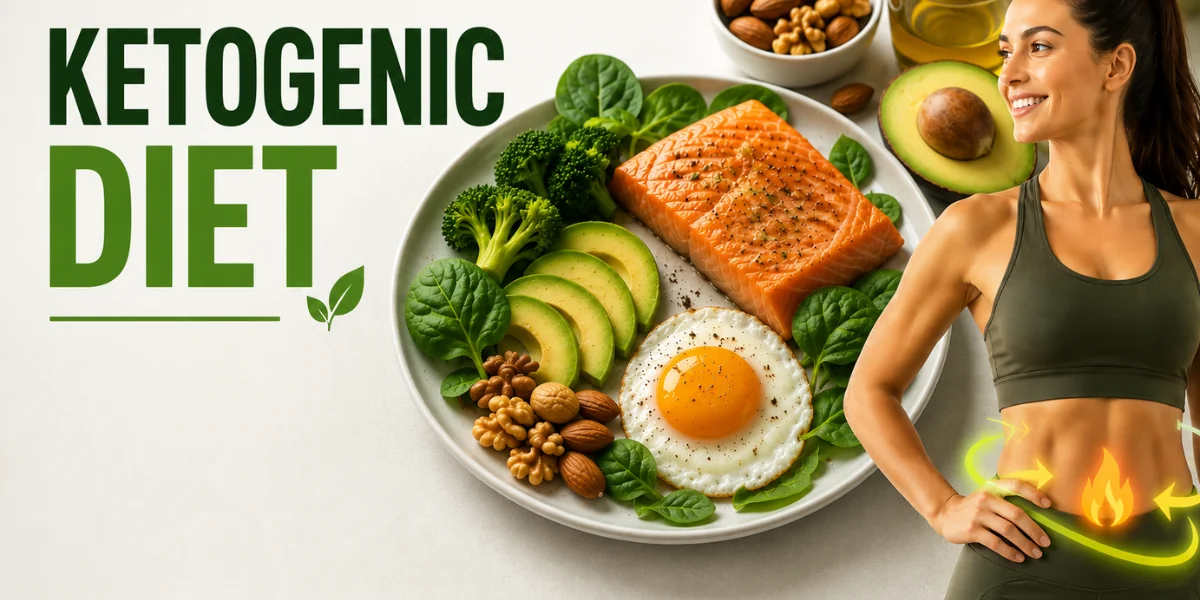
- Healthy fats like avocados, olive oil, and nuts
- Protein sources like eggs, fish, & lean meats
- Low-carb vegetables like leafy greens, zucchini, & broccoli
Foods that are usually limited include sugary snacks, bread, pasta, and most processed carbohydrates. At Medical Weight Loss Clinic & Hormone Clinic, guidance is often customized to ensure patients not only reach ketosis but also maintain a balanced diet. This is especially important for long-term success.
Who Can Benefit Most From A Ketogenic Approach
The ketogenic diet for weight loss can be helpful for a wide range of individuals, but it is not a one-size-fits-all approach. Some people tend to respond particularly well. Those who may benefit include individuals who struggle with stubborn weight, frequent cravings, or blood sugar fluctuations. If you often feel hungry shortly after eating or experience energy crashes, keto can help stabilize those patterns.
Medical supervision can also play a vital role. For individuals with underlying health conditions or those looking for a structured plan, working with a provider ensures the diet is both safe & effective. A ketogenic diet program in South Ogden, UT, can offer that level of support by tailoring the approach to your specific needs, lifestyle, and health goals.
Common Misconceptions About Keto
Several misunderstandings about keto can make it seem more extreme or confusing than it actually is. One common myth is that keto is simply a high-protein diet. In reality, protein is kept moderate. Too much protein can actually interfere with ketosis.
Another misconception is that eating fat automatically leads to poor health—the type of fat matters. When done correctly, the ketogenic diet focuses on nutrient-dense, healthy fat sources rather than processed or low-quality options. It’s also vital to know that not all low-carb diets are ketogenic. Keto requires a specific macronutrient balance to maintain ketosis. Simply cutting carbs without adjusting fat intake will not produce the same effect. Clearing up these misconceptions can make it easier to approach keto in a way that is both realistic and sustainable.
Glow Up Your Health
Medical Weight Loss Clinic & Hormone Clinic offers personalized support to help you succeed with a ketogenic approach. Schedule your ketogenic diet consultation today for a personalized plan.