Table of Contents
For many women, achieving and maintaining a healthy weight or clear, glowing skin can feel like an ongoing struggle. While diet, exercise, and skincare routines are essential, some underlying factors may make these efforts feel futile. One such factor is PCOS, or polycystic ovary syndrome, a hormonal condition that affects millions of women worldwide.
At Weight Loss and Hormone Clinic, we help women in South Ogden, UT, understand how Polycystic Ovary Syndrome affects their bodies, particularly weight gain and skin concerns. Our team provides comprehensive evaluations and personalized treatment plans designed to address the root causes of hormonal imbalance and its effects on the body. Understanding PCOS is the first step toward effectively managing its effects. In this article, we’ll explore how this condition can affect both skin health and body weight, as well as strategies to manage its challenges.
Understanding PCOS and Its Impact on Women’s Health
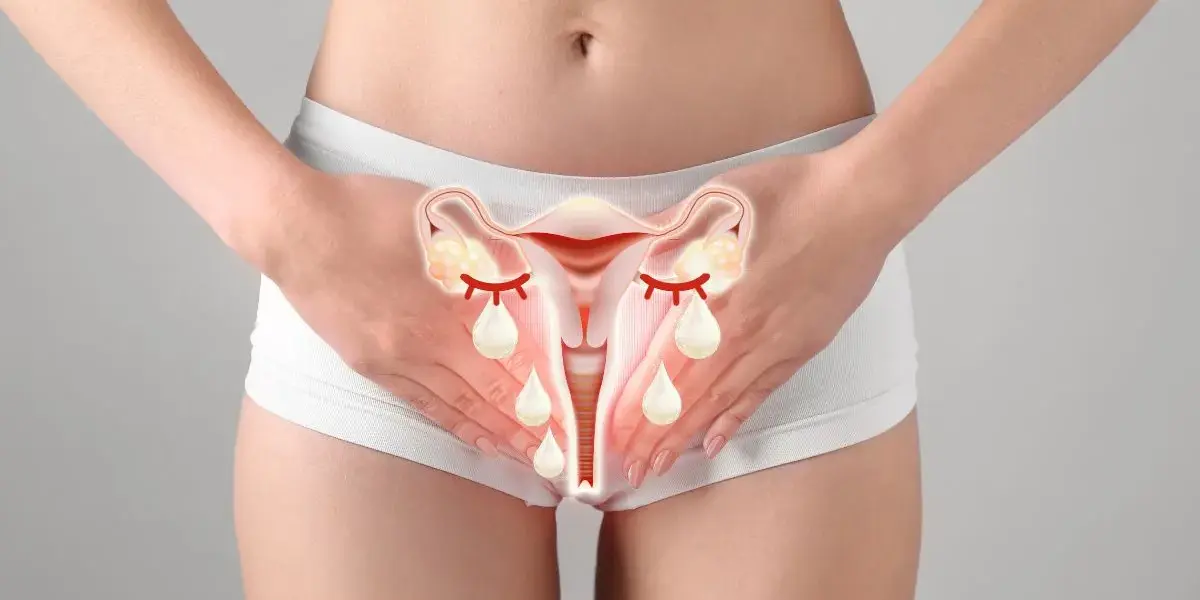
Polycystic ovary syndrome (PCOS) is a complex hormonal disorder that primarily affects women of reproductive age. Its hallmark is an imbalance in sex hormones, including elevated androgens (male hormones), which can disrupt ovulation and lead to a variety of physical symptoms.
PCOS is also linked to insulin resistance, which can affect how the body stores and uses energy. As a result, many women with PCOS experience challenges with weight management, particularly in areas such as the abdomen, thighs, and hips.
The effects of Polycystic Ovary Syndrome are not limited to reproductive health. They can extend to the skin, hair, and metabolic systems, making it a multifaceted condition that requires a holistic approach to management.
How PCOS Affects Skin
One of the most visible and frustrating impacts of PCOS is its effect on the skin. Hormonal imbalances associated with PCOS often lead to skin concerns that go beyond the typical challenges of acne or dryness.
Common Skin Issues Associated with Polycystic Ovary Syndrome
- Acne and Hormonal Breakouts: High levels of androgens can stimulate oil production, leading to clogged pores and acne, particularly on the face, chest, back, and arms.
- Hirsutism (Excess Hair Growth): Elevated male hormones can cause unwanted hair growth on the face, chin, chest, or back.
- Thinning Hair on the Scalp: Conversely, some women experience scalp thinning or hair loss due to hormonal imbalance.
- Skin Discoloration and Dark Patches: A condition called acanthosis nigricans can cause dark, velvety patches of skin, often in the neck, armpits, or under the breasts.
- Stretch Marks: Hormonal fluctuations and rapid weight changes can cause stretch marks, particularly on the breasts, thighs, and hips.
Managing skincare for Polycystic Ovary Syndrome requires more than topical treatments. While cleansers and moisturizers help maintain general skin health, addressing the hormonal root causes is critical for lasting improvement.
How PCOS Influences Weight Gain
PCOS is well-known for making weight loss more difficult. This is mainly due to the combination of insulin resistance and hormonal imbalances. Insulin resistance causes the body to produce more insulin, which can lead to fat storage, especially around the midsection. Elevated androgens further exacerbate fat retention and can influence the muscle-to-fat ratio.
Key Weight-Related Challenges for Women with PCOS
- Abdominal Weight Gain: Excess insulin can promote fat storage around the waist, making belly fat more common in Polycystic Ovary Syndrome.
- Difficulty Losing Weight: Standard diet and exercise strategies may be less effective due to metabolic and hormonal factors.
- Carbohydrate Cravings: Insulin resistance often increases cravings for sweets or high-carb foods, creating a cycle that makes weight management harder.
- Fluid Retention: Hormonal fluctuations can cause bloating and water retention, masking fat loss.
Weight gain is not simply about calorie intake or activity level; for women with Polycystic Ovary Syndrome, the body’s hormonal environment plays a significant role. Understanding this helps set realistic expectations and encourages tailored strategies for long-term success.
The Link Between Skin and Weight in PCOS
Interestingly, the skin and weight challenges associated with PCOS are often interconnected. For instance, insulin resistance and high androgen levels can simultaneously contribute to acne, unwanted hair growth, and difficulty losing weight.
Excess weight can also worsen insulin resistance, creating a feedback loop that exacerbates both skin and weight concerns. That is why PCOS treatment for women should be comprehensive, addressing not only diet and exercise but also hormonal balance and metabolic health.
Practical Approaches to Managing PCOS
Medical Evaluation and Diagnosis
Proper management begins with an accurate diagnosis. At Weight Loss and Hormone Clinic, we use a combination of:
- Detailed Medical History: Understanding symptoms such as irregular periods, weight changes, acne, and hair growth patterns.
- Physical Examination: Checking for signs of excess hair, stretch marks, or abdominal fat distribution.
- Laboratory Tests: Hormone panels, blood sugar, and insulin tests to identify imbalances.
A thorough evaluation ensures a personalized approach, rather than a one-size-fits-all solution.
Lifestyle Strategies
While hormonal factors play a significant role, lifestyle adjustments remain a foundational part of PCOS management:
- Balanced Nutrition: Emphasizing protein, fiber, and low-glycemic carbohydrates to support insulin balance.
- Regular Physical Activity: Both cardio and resistance training can improve insulin sensitivity and promote fat loss.
- Stress Management: Cortisol spikes from stress can worsen insulin resistance and hormonal imbalance.
These strategies work best when combined with medical treatments for optimal results.
Medical Interventions
For many women, lifestyle changes alone are not enough to overcome the challenges of PCOS. Targeted medical approaches include:
- Hormonal Regulation: Medications can help balance estrogen, progesterone, and androgens, reducing acne, hair growth, and menstrual irregularities.
- Insulin-Sensitizing Treatments: These can improve insulin response and support weight-loss efforts.
- Personalized Weight Loss Programs: Combining medical supervision with tailored diet and exercise plans can produce meaningful, sustainable results.
By addressing both the hormonal and metabolic aspects of PCOS, women can achieve improvements in both weight management and skin health.
Call to Action
If you have been struggling with unexplained weight gain, hormonal acne, or other symptoms associated with PCOS, there is a solution. Understanding the condition and addressing it with a personalized plan is the first step toward long-term improvement.
You can Get Personalized PCOS Treatment Plans at the Weight Loss and Hormone Clinic in South Ogden, UT. Our team evaluates your hormonal profile, lifestyle, and medical history to create a treatment plan that supports your skin, weight, and overall health. Take the first step today toward a healthier, more balanced life with the support of experienced professionals.